How to Mix Cocktails at Home: A 2026 Creative Guide Using Common Household Ingredients
Introduction
In 2025, the global ready-to-drink cocktail market reached 4-6, and a bar pours the same experience for 2-3 using ingredients already sitting in your kitchen.
Most beginners assume cocktail mixing demands expensive tools, rare liqueurs, and years of training. That myth keeps talented home cooks from ever picking up a shaker. The truth is simpler: a bottle of spirit, a lemon, some sugar, and ice can produce drinks that rival any craft cocktail bar. This guide walks you through the creative, practical art of mixing cocktails from pantry staples — no fancy equipment required.
Key Takeaways
- The RTD cocktail market hit $11.13B in 2025, yet home mixing saves 70-85% per drink versus bar prices (Mordor Intelligence, 2025).
- The classic 2:1:1 ratio (spirit:citrus:sweet) forms the backbone of over 60% of all classic cocktails.
- Just 5 household staples — a spirit, citrus fruit, sugar, ice, and one mixer — unlock 10+ distinct drinks.
- Common kitchen tools substitute perfectly for professional bar equipment in home mixing.
What Do You Actually Need to Start Mixing Cocktails at Home?
In 2024, American households spent an average of 430 on drinks away from home (Bureau of Labor Statistics, 2024). That gap has widened every year since 2020. People are already buying the raw materials — they just need to learn the assembly.
You don't need a $200 bar kit. Start with one versatile spirit. Vodka and rum are the most forgiving for beginners. Grab a bag of lemons or limes, a bag of sugar, and any carbonated beverage you already drink — tonic water, soda water, cola, or ginger ale. That's your starter bar. Add ice, and you're in business.
The beauty of household mixing is improvisation. No grenadine? Use raspberry jam dissolved in water. No simple syrup? Dissolve sugar in hot water and let it cool. No bitters? A few dashes of strong coffee or grapefruit peel add the same bitter complexity. Your kitchen is already a better stocked bar than you think.
How Does the Classic Cocktail Formula Work?
In 2025, TheCocktailDB catalogued 636 drinks built from 489 ingredients (TheCocktailDB, 2025). Yet most of them trace back to one elegant formula Jerry Thomas wrote down in 1862: 2 parts spirit, 1 part sour, 1 part sweet. Master this ratio and you can build dozens of classics without ever opening a recipe book.
The "sour" formula works because it balances three competing forces. The spirit brings strength and character. The citrus (lemon or lime) cuts through with acidity. The sweetener — simple syrup, honey, or liqueur — rounds off the sharp edges. When these three forces hit equilibrium, the alcohol stops burning and the flavors start singing.
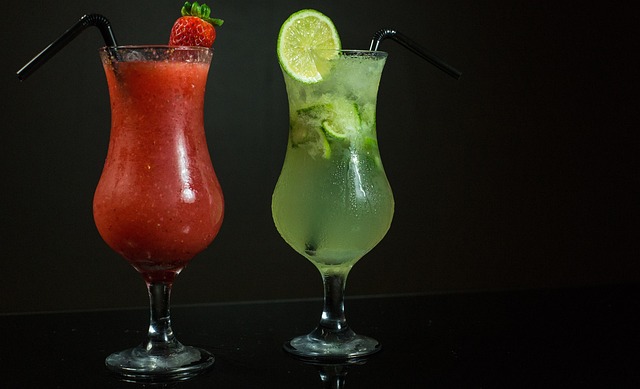
Here's the magic: swap one ingredient and you invent a whole new drink. Use rum + lime + sugar, and you've got a Daiquiri. Use whiskey + lemon + sugar, and it's a Whiskey Sour. Use tequila + lime + orange liqueur (or triple sec, or even Cointreau's cheaper cousin), and you're holding a Margarita. Same skeleton, different personality.

According to cocktail historians, over 60% of all classic cocktails registered in major databases derive from this single sour template (Difford's Guide, 2025). That means learning one ratio effectively teaches you the DNA of the Margarita, the Cosmopolitan, the Lemon Drop, and the Sidecar all at once. Think of it as the periodic table of mixology — a few base elements combine into endless compounds.
Which Household Ingredients Can Replace Professional Bar Tools?
In 2025, the RTD cocktail market is projected to reach $14.16 billion by 2026 (Fortune Business Insights, 2025). That growth tells us people want convenience. But convenience doesn't have to mean pre-bottled. Your kitchen already holds every tool a bartender uses — they just wear different names.
A mason jar with a tight lid becomes a cocktail shaker. A wooden spoon handle works as a muddler for crushing mint or fruit. A liquid measuring cup with spout replaces a jigger for precise pours. A teacup and saucer? That's your Boston shaker set. The only tool worth buying is a cheap citrus squeezer — $8 at any kitchen store, and it pays for itself in one evening of margaritas.
Simple syrup — the backbone of dozens of cocktails — requires nothing more than sugar and water. Combine equal parts in a saucepan, heat until dissolved, cool, and refrigerate. It keeps for a month. No store-bought version tastes fresher, and none costs less than five cents per ounce. Honey syrup (3:1 honey to water) and maple syrup work the same way for richer, more complex sweetness.
How to Build Your First 5 Cocktails from Pantry Staples
In 2025, Grand View Research valued the broader RTD cocktail market at $33.49 billion (Grand View Research, 2025). That's a lot of people paying a premium for someone else to mix drinks. You can reclaim that value with five recipes that use ingredients found in any grocery store.
Each recipe below follows the same three-step method: combine, shake or stir, pour. No special technique. No rare ingredients. Just the 2:1:1 formula in action.
1. The Classic Daiquiri — 2 oz white rum, 1 oz fresh lime juice, 3/4 oz simple syrup. Shake hard with ice for 15 seconds. Strain into a glass. This is the cocktail that converts skeptics. It's bright, balanced, and impossible to mess up.
2. The Whiskey Sour — 2 oz bourbon or any whiskey, 3/4 oz lemon juice, 3/4 oz simple syrup. Shake with ice. Strain over fresh ice. No egg white needed — that's a luxury, not a requirement. The drink tastes complete without it.
3. The Mojito — 2 oz white rum, 1 oz lime juice, 3/4 oz simple syrup, 6-8 mint leaves, soda water. Muddle mint gently in the glass (don't shred it). Add rum, lime, and syrup. Top with ice and soda water. Stir once. You've just made the most refreshing drink on earth.
4. The Paloma — 2 oz tequila, 1/2 oz lime juice, grapefruit soda (Fresca, Squirt, or Jarritos) to top. Pour tequila and lime over ice in a salt-rimmed glass. Fill with grapefruit soda. Stir once. This is arguably the easiest cocktail in the world, and it tastes like summer.
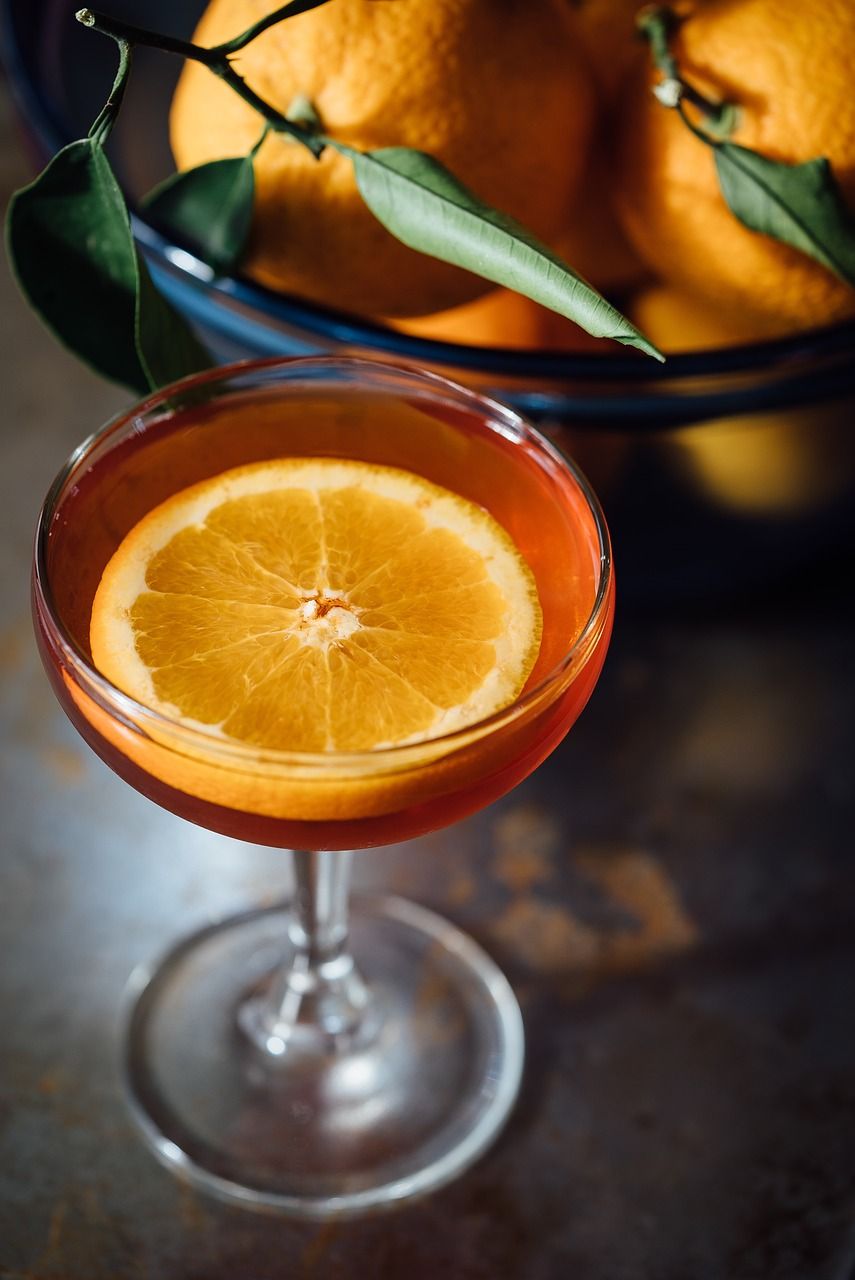
5. The Aperol Spritz (household version) — 3 oz any dry white wine or prosecco, 2 oz soda water, 1 oz orange juice with a pinch of salt (replaces Aperol's bitter-sweet profile). Build over ice. Garnish with an orange slice. It's not authentic, but it captures the spirit — low alcohol, highly sessionable, visually stunning.

According to industry analysis, making cocktails at home saves between 70% and 85% per drink compared to bar prices. A Daiquiri that costs 1.80 in ingredients at home. Scale that across a dinner party of eight, and you've saved over $100 — enough to buy two premium bottles of spirit for next time.
What Are the Most Common Home Cocktail Mistakes?
The RTD cocktail market's 12.75% CAGR through 2030 (Mordor Intelligence, 2025) shows that when people can't make drinks work at home, they reach for the bottle. Most failures come down to three avoidable errors — and none of them require skill to fix.
Over-sweetening kills balance. Beginners tend to add too much sugar because raw spirit tastes harsh. But the citrus and dilution from shaking will soften the alcohol. Start with less sweetener than you think you need. You can always add more; you can't take it out.
Skipping the shake (or stir) wastes ingredients. Shaking isn't theater — it's chemistry. Fifteen seconds of hard shaking chills the drink, dilutes it with exactly the right amount of melted ice, and aerates the citrus oils into a silky texture. Skip this step and you'll taste raw spirit with a side of sour.
Warm ice is the silent killer. Ice that's been sitting in an open freezer drawer absorbs odors and melts too fast. Use fresh ice from a clean tray. If you want to go further, boil the water first and freeze it — you'll get clearer, slower-melting ice that dilutes your drink at the perfect rate.
Frequently Asked Questions
Can I make cocktails without a shaker?
Absolutely. A mason jar, Tupperware container, or even a thermos with a tight seal works. The goal is to chill, dilute, and combine — any sealed vessel that can survive vigorous shaking for 15 seconds does the job. No jar? Stir the drink in a glass with ice for 30 seconds. It won't be as aerated, but it'll taste 90% as good.
What's the cheapest spirit to start mixing with?
White rum offers the best value-to-versatility ratio. A 750ml bottle of decent white rum costs $12-18 and makes 15-18 cocktails. It pairs with citrus, soda, cola, coffee, and most fruit juices. Vodka is the second-best starter — neutral enough to mix with almost anything, forgiving of measurement errors.
How long does homemade simple syrup last?
Stored in a sealed container in the refrigerator, simple syrup keeps for 3-4 weeks. Add one tablespoon of vodka per cup of syrup and it lasts up to six weeks. If you see cloudiness or mold, discard it — but at five cents per batch, replacing it costs almost nothing.
Can I use bottled lemon juice instead of fresh?
You can, but you shouldn't. Fresh lemon juice contains volatile aromatic oils that evaporate within hours of squeezing. Bottled juice tastes flat and slightly metallic by comparison. One fresh lemon yields about 1 ounce of juice — enough for two sips of a sour cocktail. The upgrade is worth the 30 seconds of squeezing.
How do I make cocktails for a crowd without losing quality?
Batch the base mixture (spirit + citrus + sweetener) in a pitcher without ice. Keep it chilled. When guests arrive, pour 3 oz per glass over fresh ice, then top with soda or garnish individually. A pre-batched daiquiri base holds its quality for 4-6 hours refrigerated. This is exactly how craft cocktail bars handle volume — they just charge you $16 for the same trick.
Conclusion
The math is simple: the RTD cocktail market hit $11.13 billion in 2025 because people love great drinks but think they're too hard to make. They're not. With one spirit, one citrus fruit, sugar, ice, and a jar with a lid, you can produce cocktails that rival any bar at a fraction of the cost.
Start tonight. Grab a bottle of rum, squeeze a lime, dissolve some sugar in warm water, and shake hard for 15 seconds. That first sip — bright, cold, balanced — will convert you. Everything else is just variations on a theme you already understand.
Sources
- Mordor Intelligence, "Ready-to-Drink Cocktails Market Size & Share Analysis," 2025, https://www.mordorintelligence.com/industry-reports/ready-to-drink-cocktails-market
- Fortune Business Insights, "Ready-to-Drink Cocktails Market Size, Share & COVID-19 Impact Analysis," 2025, https://www.fortunebusinessinsights.com
- Grand View Research, "Ready-to-Drink Cocktails Market Size, Share & Trends Analysis Report," 2025, https://www.grandviewresearch.com
- U.S. Bureau of Labor Statistics, "Consumer Expenditure Surveys, Table 1300," 2024, https://www.bls.gov/cex/
- TheCocktailDB, "Open, Crowdsourced Database of Drinks and Cocktails," 2025, https://www.thecocktaildb.com/
- Difford's Guide, "Classic Cocktail Proportions and Ratios," 2025, https://www.diffordsguide.com/